A physiotherapist says these are the 10 exercises that can help you stay strong and mobile over 50
Want to age better? These 10 exercises could be key


Want to age better, improve your strength, gain lean muscle and improve your body composition? Strength training is your best friend.
In fact, you've probably heard plenty about the importance of maintaining muscle as you age, but there's a good reason for it. From around the age of 30, we gradually begin to lose muscle mass and strength, and this can become more noticeable as the decades go by.
The concern isn't simply how your muscles look, either. Losing muscle can mean losing strength, balance, power and the physical reserve that helps you continue doing everything from carrying the shopping to climbing stairs to playing sport and staying steady on your feet.
To help combat this, we asked Phil Evans, Chartered Physiotherapist, founder of Urban Body and author of Built to Last After 50, for the 10 strength exercises he'd recommend after 50.
Why strength training matters after 50
Getting older doesn't automatically mean becoming weaker.
“Think of your muscles as your body's suspension system,” says Evans. “Strong muscles help support your joints, absorb and control load and give you more physical capacity for whatever you want to keep doing.”
More importantly, your muscles are still capable of responding to resistance training as you get older.
“Your body continues responding to mechanical stress and nutrition well into later life,” says Evans. “And the good news is that muscle responds to training as we get older. You can get stronger.”
How often should you strength train after 50?
You don't need to train every day. According to Evans, two to three strength sessions a week is plenty for most people over 50.
“What matters is giving your muscles enough of a challenge to make them adapt, then giving them time to recover,” he explains.
The workout provides the stimulus, while recovery gives your body time to rebuild. What you do during those sessions matters too. For example, if you've been squatting with the same 10kg weight for the past six months, your body has very little reason to change.
Instead, Evans recommends gradually asking a little more of your muscles as you get stronger. That could mean adding weight, completing a few more reps, increasing your range of motion or progressing to a harder variation.
And there's no need to destroy yourself in the process.
“Being sore for three days isn't proof you've had a good workout,” says Evans. “Two or three good sessions, done consistently and gradually progressed, will get you far further than going all-out for a few weeks and giving up.”
Ready to get started? Here are Evans' top 10 exercises for building a stronger body after 50.

10 exercises to bulletproof your body after 50
1. Sit-to-stand or squat
Sit on the front edge of a sturdy chair with your feet under your knees. Stand without using your hands, then lower yourself slowly back down.
Why: This builds strength through the legs and hips while training one of the fundamental movements we use every day. You can then add weight as you get stronger.
2. Step-ups
Using the bottom stair or a low, stable step, place one foot fully on top, push through that leg to step up, then lower yourself slowly.
Why: Step-ups strengthen each leg individually and build the functional strength you need for climbing stairs, tackling hills, hiking and sport. Increase the step height or add weight to make them harder.

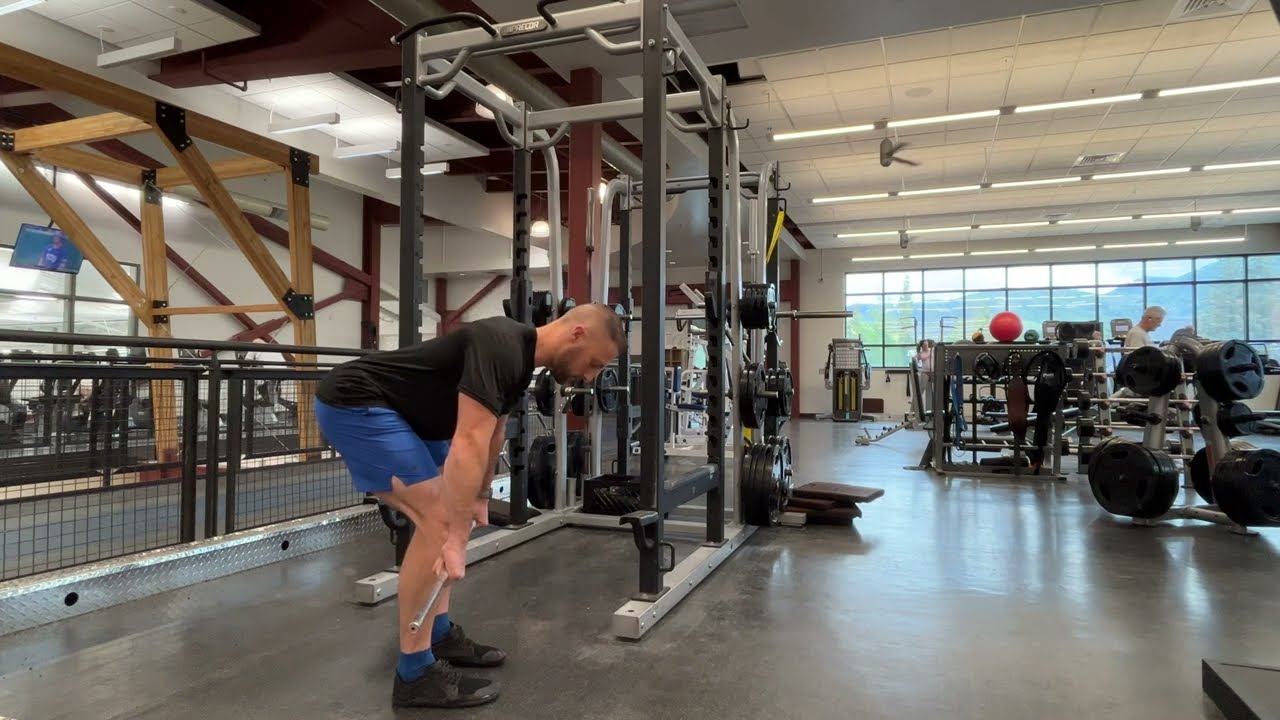
3. Hip hinge or deadlift
Push your hips backwards, then use your hips and legs to drive yourself back to standing.
Why: This movement gets your glutes, hamstrings and back muscles working together and builds the strength you need for picking things up, whether that's a weight in the gym or something heavy at home.
4. Press-ups
Why: Press-ups build strength through your chest, shoulders and arms and can be adapted to almost any fitness level.
If the floor is too challenging, start with your hands against a wall or on a sturdy chair, then gradually lower the height as you get stronger.

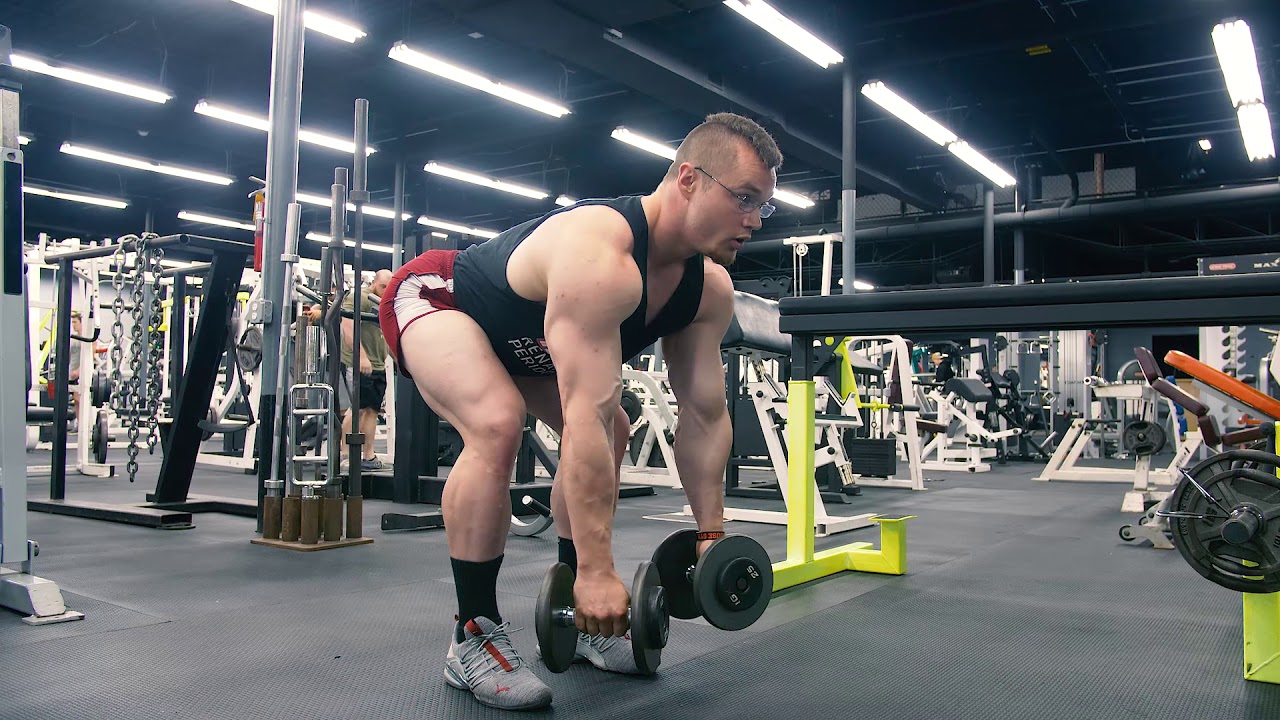
5. Rows
Using a resistance band or a pair of dumbbells, pull your elbows backwards towards your body.
Why: Rows strengthen your upper back and arms, developing pulling strength while working the muscles that help support good posture.
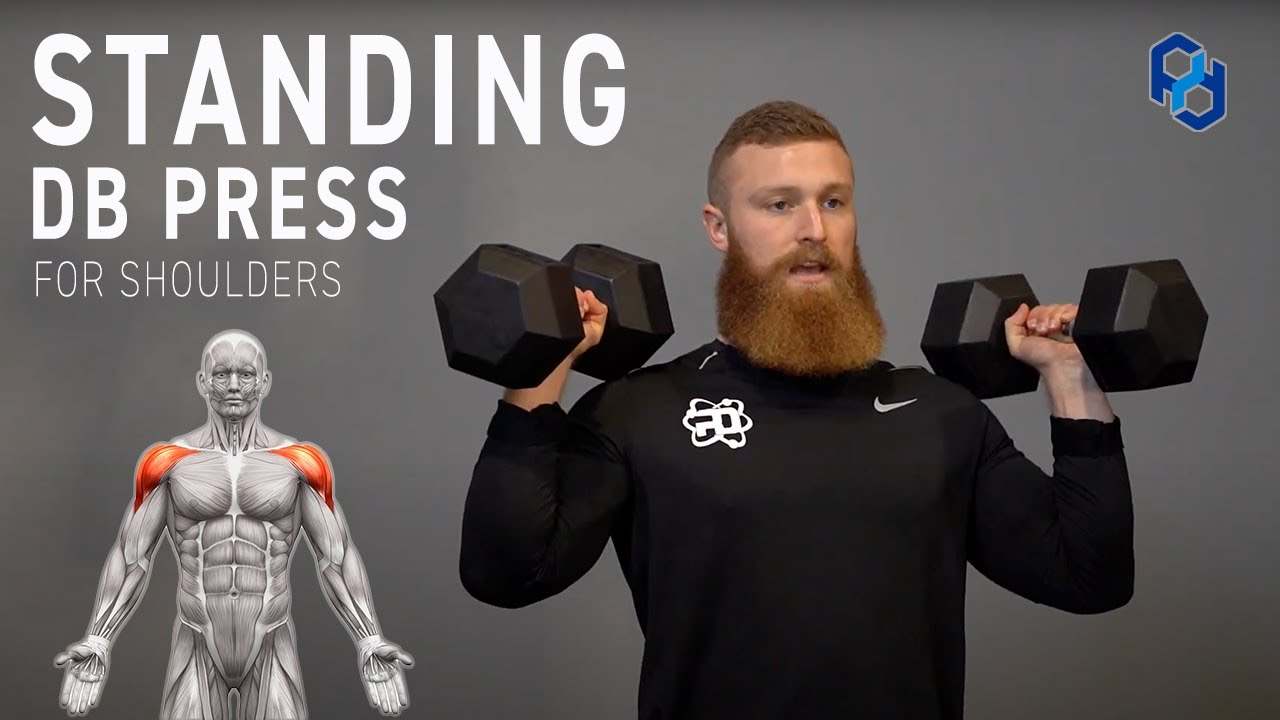
6. Overhead press
Hold your dumbbells at shoulder height, press them overhead, then lower slowly with control.
Why: Overhead strength comes in handy whenever you're putting something on a high shelf, lifting luggage or tackling jobs around the house or garden.
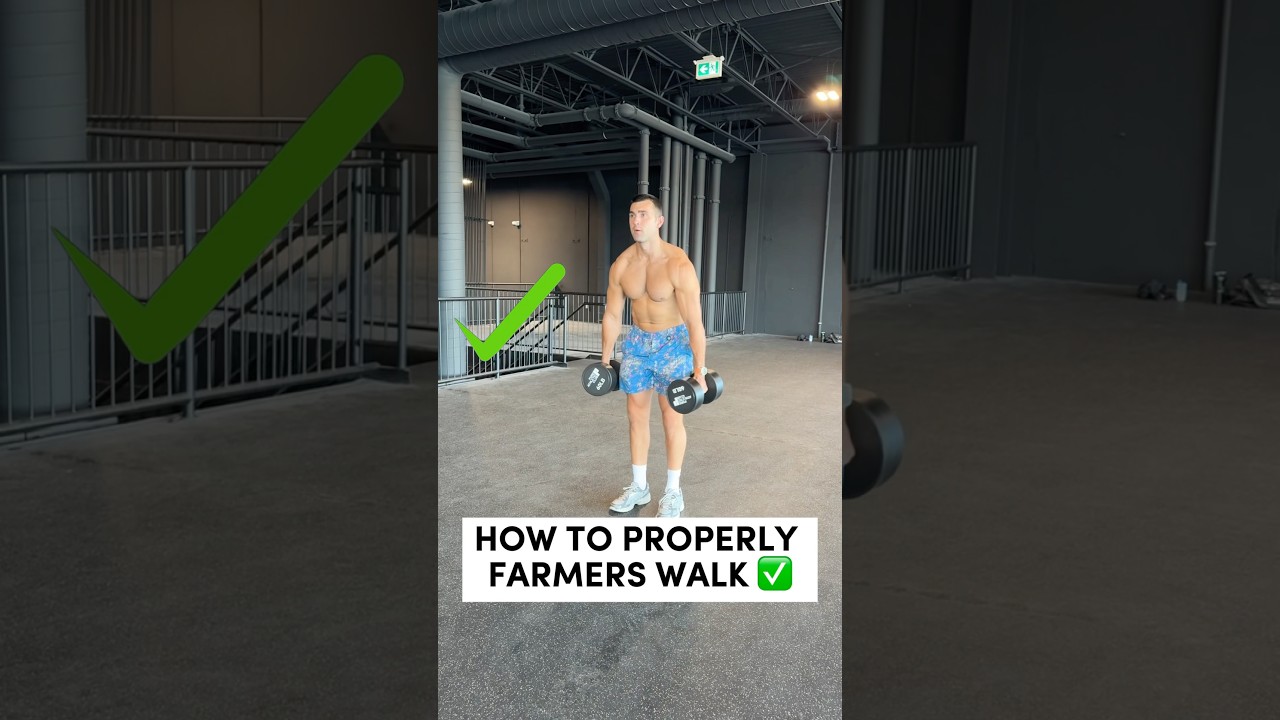
7. Farmer's carry
Pick up something reasonably heavy in each hand and walk. Dumbbells work well - and kettlebells too.
Why: This simple exercise trains your grip, core, shoulders and legs simultaneously, making it one of the most functional strength exercises on the list.
8. Calf raises
Stand near a wall or chair for support, slowly rise onto your toes, then lower your heels with control.
Why: Your calves help propel you forward when you walk, run and climb hills. Progress to single-leg calf raises or add resistance when bodyweight becomes too easy.

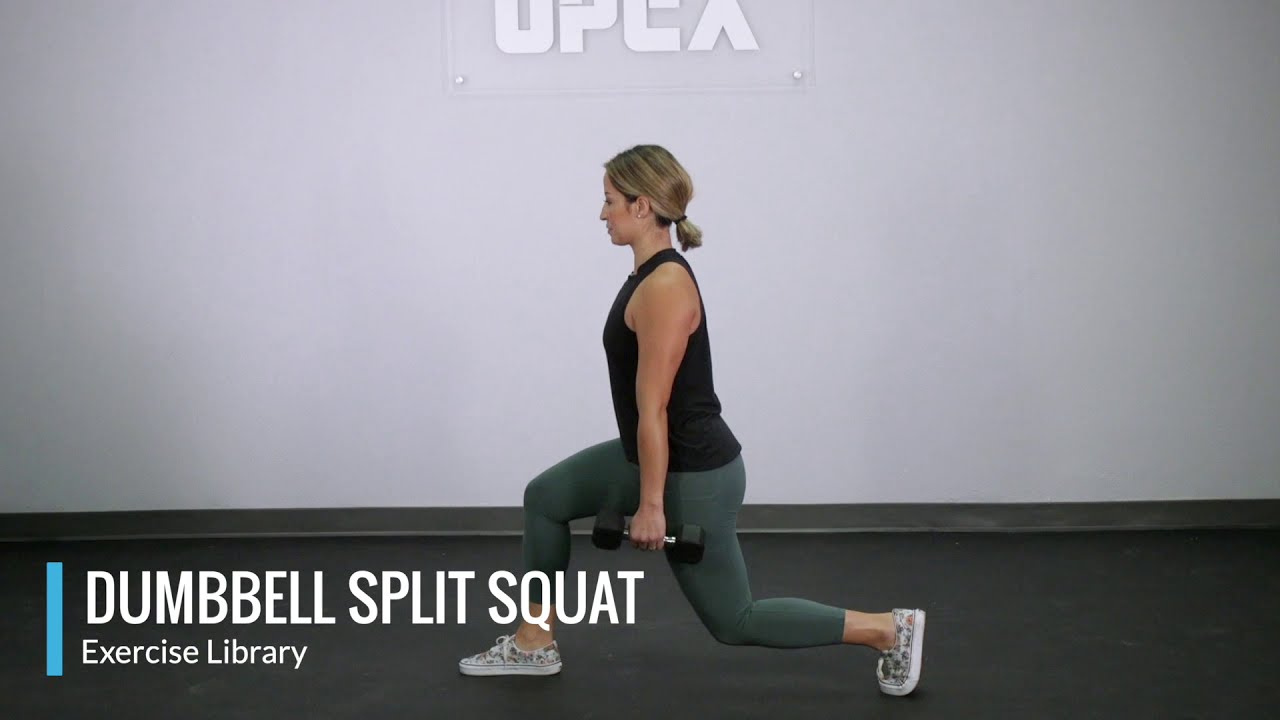
9. Split squat
Stand with one foot in front of the other and lower yourself by bending both knees before pushing back up. Alternatively, you can step backwards into a reverse lunge.
Why: Both variations strengthen the hips and thighs one leg at a time, helping with everything from balance to climbing stairs and even getting up from the floor.
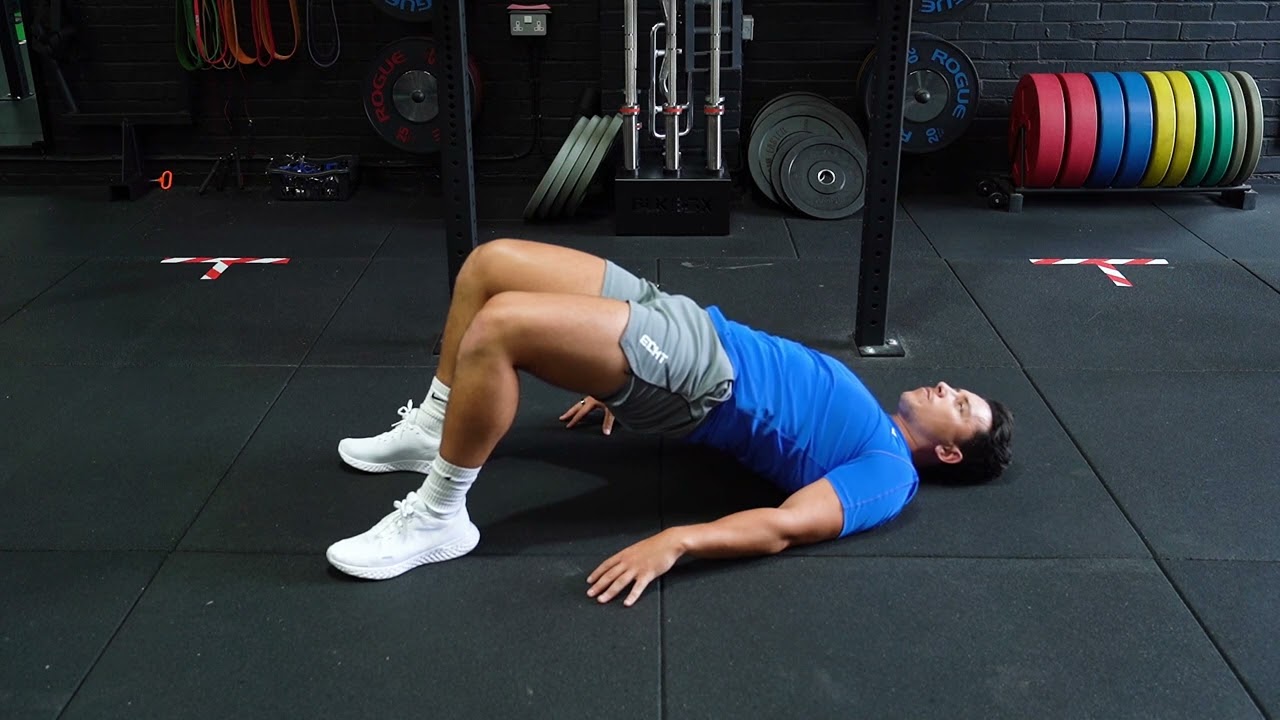
10. Glute bridge
Lie on your back with your knees bent and feet planted on the floor. Push through your feet, lift your hips and squeeze your glutes before lowering slowly.
Why: Strong glutes help with walking, running, getting in and out from a chair, lifting and generally generating power through the hips. Add resistance or even squeeze a pillow in between your thighs to progress the move.
How to add these exercises to your routine
Before you start feeling overwhelmed by all 10 exercises, don't panic. “The key is not to think you need to do all the exercises every time you train,” says Evans
“For a simple session, choose a lower-body movement such as a squat or step-up, an upper-body push and pull, like the row, a hip exercise such as a deadlift or bridge, and a carry. You can rotate through the other exercises across the week.”
Strength isn't the entire picture after 50, either. Evans recommends continuing to work on balance and mobility, particularly maintaining good movement through the upper back, hips and ankles.
And perhaps the most important thing is remembering what you're actually training for.
“It's not just another personal best in the gym,” says Evans. “It's being able to play sport, walk up a mountain, spend a day in the garden, do the DIY, carry your own luggage and keep saying yes to the things you enjoy.”
Or, to put it another way: “Train for the life you want to live, not just the body you want to look at.”
